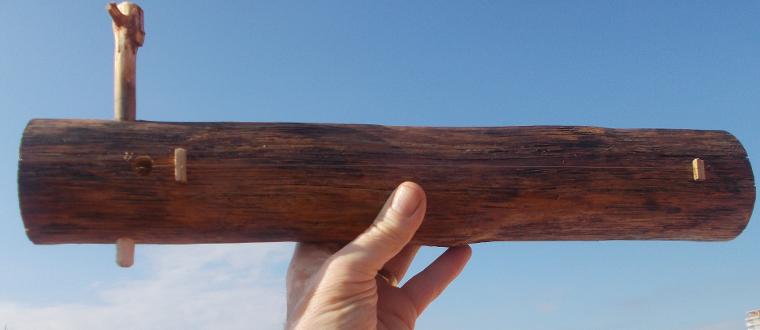
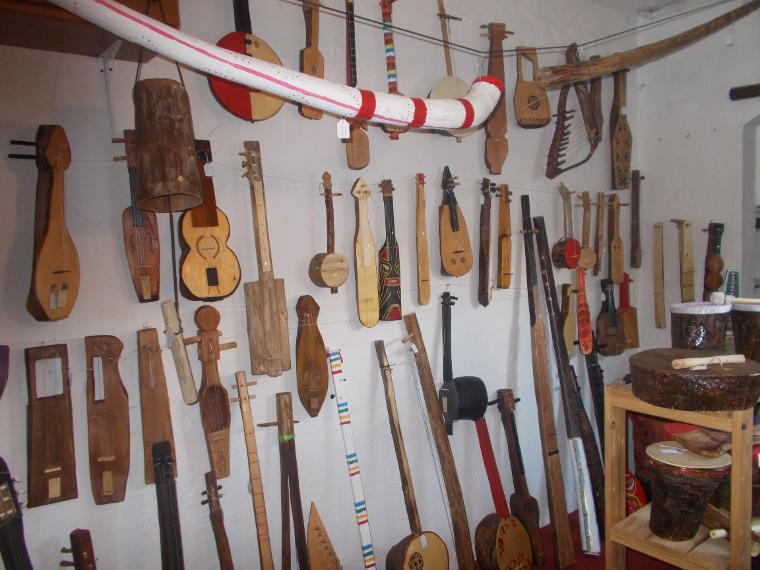
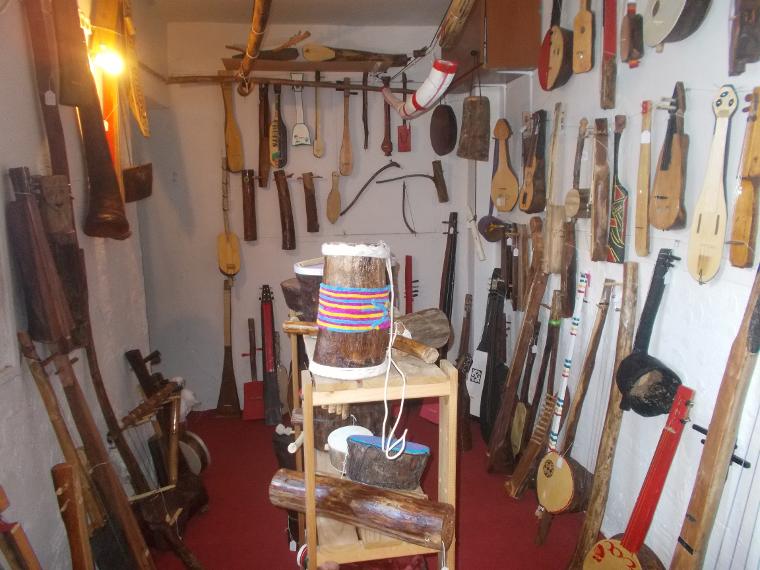
The Wood That Sings Virtual Museum This site is my private virtual museum celebrating the musical and aesthetic qualities of the wood from the flower stalk of the Agave plant. There are over 140 different instruments which are replicas of various peoples and nations ranging from present time to ancient. It is the only collection of this size that exists in the world. Let me know if you need any information about these instruments. All the instruments were made by me (Robert Black) in the town of Palamos, Girona on the Costa Brava about 100 kilometres north of Barcelona. I am Scottish but have lived here for over 30 years and am now retired. A few years ago I got interested in the Agave plant that grows among the rocks round the coast. It was brought here from the Americas many years ago to extract sisal for rope-making but now grows wild. After 10-15 years each plant throws up a huge flower stalk, produces seeds, then dies. The Tramontana winds thrash the coast in winter and the stalks are blown over. These are the same stalks with rock-hard skin and soft interior that the Apache of California used to make their unique "Apache Fiddles". It was they who called it, "the wood that sings". I made some of these fiddles and they came out well. Then one day I had the notion of trying to make some other violin-type instruments. The hard lateral fibres mean that you can easily make one-piece instruments that are able to withstand the tension of the strings. So from fiddles it went to guitars and banjos and drums and didgeridoos and so on. This wood is not just singing but strumming and drumming.